How do you handle typical dishes in subtitles?
EN
How do you handle typical dishes in #subtitles? It all depends on why they’re there in the first place. And, of course, we always think about the viewers. Will they recognize the cultural reference? If not, does it impact their understanding?
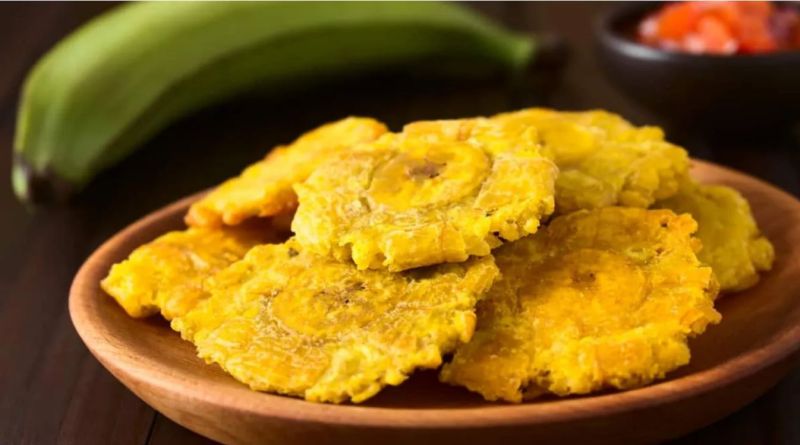
Take the Colombian series I’m translating as an example: the characters mention arepas de huevo, carimañolas, and patacones*. These aren’t crucial to the plot, they simply add a local flavor, enhancing the authenticity (the dialogues are very #costeños as well). So, I transliterate them in Greek: αρέπας με αυγό, καριμανιόλας, πατακόνες.
What’s the expected effect on the viewers? Colombian cuisine isn’t well-known in Greece, but some people may have traveled to Colombia or tried the dishes in a restaurant. They’ll likely be happy to recognize them, and maybe even reminisce. As for those who don’t know what patacones are, they'll understand it’s a local dish. They might catch a glimpse of it in the image or be inspired to look it up (I always Google the transliterated term to make sure it’s there).
I wouldn’t translate patacones as plantain chips (τσιπς από πράσινες μπανάνες), and carimañolas as stuffed yuca fritters (πιτάκια με μανιόκα). Sure, those are accurate translations, but it feels like stripping away all their flavor. Like you can’t taste them anymore.
Some say over-explaining infantilizes viewers. They can handle the unknown just fine.
Translation theory fans will spot the strategies at play. Depending on your favorite scholar, you might call it retention vs. explicitation or descriptive translation. But cultural substitution? Big no-no in subtitling. A Greek mousaka in a Colombian setting would shatter the suspension of disbelief.
*¡No jodas! Te vas a comer los mejores patacones de la costa, llave.
Photo credit: Shutterstock