This report outlines the precarious working conditions of Syrian refugees in…
EN
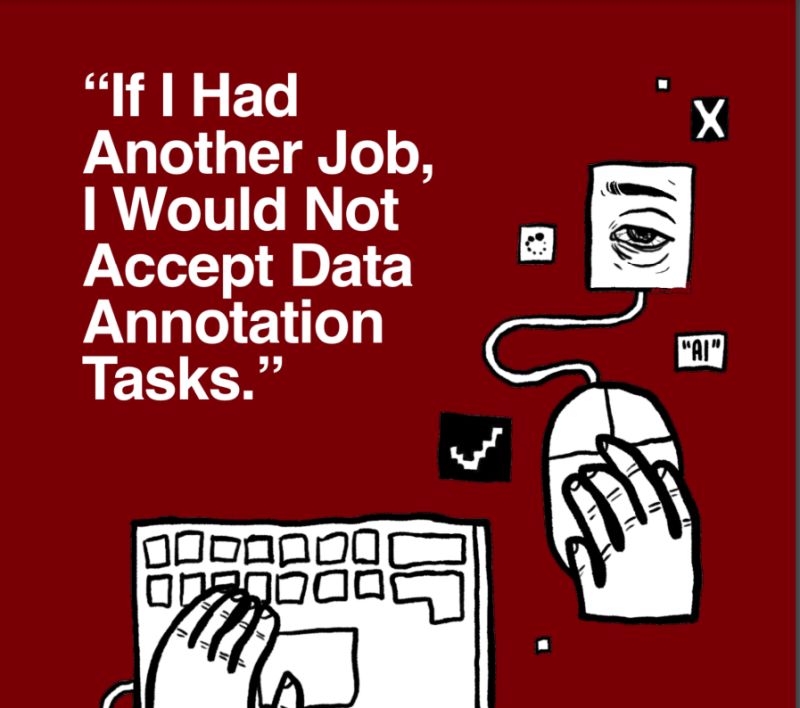
This report outlines the precarious working conditions of Syrian refugees in Lebanon who work as #dataannotators that include:
-low compensation paired with demands for high quality,
-tight deadlines,
-unpaid rework after end client rejection,
-pressure to accept work despite lack of availability, out of fear of losing future offers.
All the above leading to stress and poor mental health.
Remind you of something? It's the experience of other #platformworkers in the gig economy including #translators and #subtitlers. The barriers to employment differ, but the pattern is the same. When people have no better/other choice, they are easily exploited.
In all cases, it seemed like a good opportunity at first. For Syrian refugees in Lebanon, it is either this or manual work in the fields. For a friend who has a child with a disability and lives in a remote Greek village, accepting low-paid subtitle MTPE is her only way to be at home and work at night to take care of her kid.
For many people, one way to oppose exploitative labor is to reject using its products, whether it is AI (underpaid data annotators, displaced creatives, environmental cost of compute) or fast fashion and industrial meat.
It makes me wonder: Would audiences reject watching films or consuming other translated products if they knew they were based on unfair translator working conditions? Is there a clear way to identify which works were produced under fair labor practices? Like the stamp they put on coffee? And would it help?
Here's the link to the report: https://lnkd.in/d6eap4gk
More about the Data Workers Inquiry here: https://data-workers.org/
Disclaimer: As many posts, this is a simplified portrayal of some aspects of reality. It doesn't reflect all the thought process going on in my head or all that I feel in my heart. I'm just thinking out loud, and instead of keeping those notes for myself, I put them here.