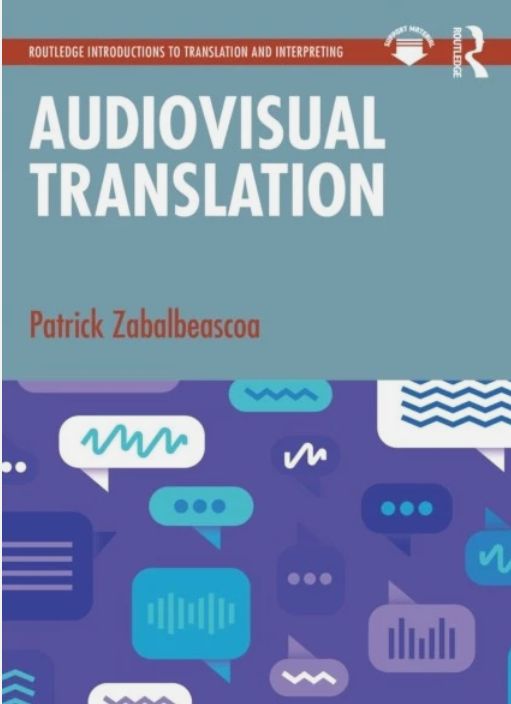
Today I read Jan Pedersen’s review of Patrick Zabalbeascoa’s book "Audiovisual…
EN
Today I read Jan Pedersen’s review of Patrick Zabalbeascoa’s book "Audiovisual Translation", and it gave me a good prompt to think about what makes it so important right now. #AVT has expanded beyond the point where a "how-to" mode-by-mode manual is enough. We needed a textbook that treats AVT as multimodal communication and takes into account the complexities of the settings we now work in, especially with AI in the mix.
What I appreciate about this book is its thematic structure. Instead of treating different AVT modes as silos, it keeps pulling you back to the questions that matter: how spoken language functions, how coherence is built, how you prioritise when constraints collide, etc. It focuses on the problems students, and even experienced professionals, struggle with in practice, like variation, character voice, multilingualism and humour.
AVT teaching can sometimes end up training people to follow rules and guidelines without really understanding why they are making certain choices. This book develops judgement by making us stop and think the logic behind a choice. That is something you can carry from one context to the next, regardless of the mode, tool, style guide, or client. For teaching, that is a major strength, and it is why I think the book is worth adopting.